
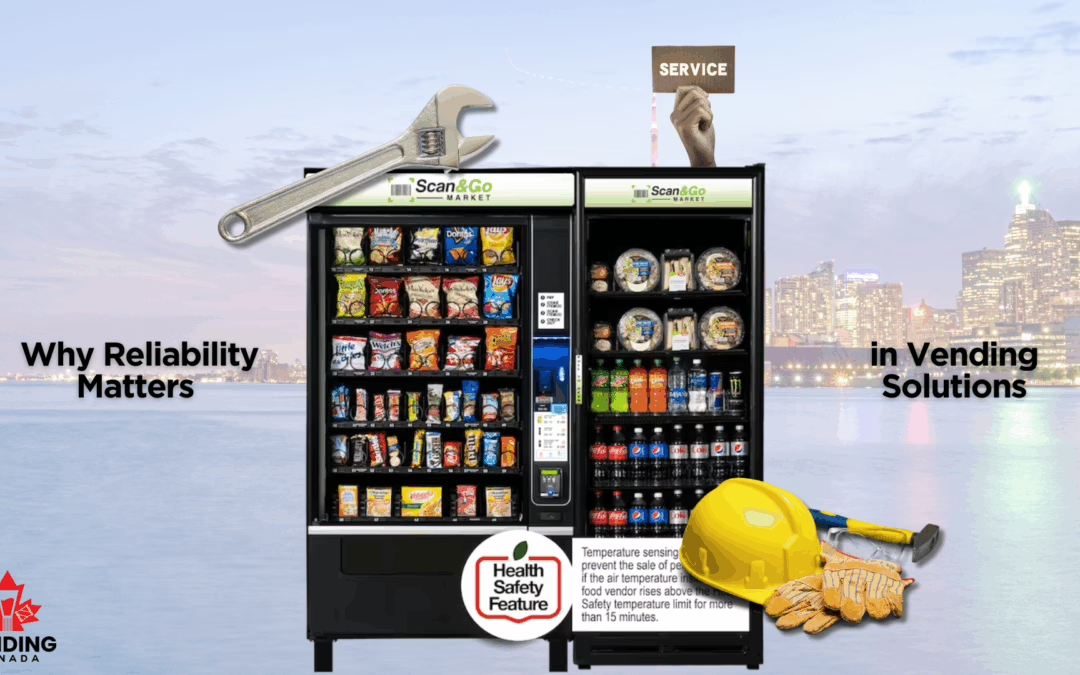
In 2026, vending machines are expected to be reliable, clean, and consistently operational. Yet one of the most common reasons locations replace their vending provider is still surprisingly basic: poor maintenance. Neglecting machines doesn’t just cause the occasional service call, it quietly erodes revenue, customer trust, and long-term contracts.
Breakdowns Cost More Than Repairs
When machines aren’t regularly maintained, small issues compound. Bill validators fail, card readers go offline, motors jam, refrigeration runs inefficiently, and screens freeze. Each problem means downtime, and downtime means zero sales. A machine that’s out of service for days or weeks can lose hundreds or even thousands of dollars annually, often far more than the cost of preventative maintenance.
Unhappy Customers Don’t Complain, They Stop Buying
Today’s consumers are impatient. If a machine eats their money, declines a card, or shows an “Out of Order” sign too often, they don’t submit a complaint, they walk away. In offices, condos, hospitals, and retail environments, that frustration reflects poorly on both the vending operator and the location itself. Over time, usage drops even after the machine is fixed.
Lost Sales Invite Competition
A poorly maintained machine is an open invitation for competitors. Property managers and corporate clients regularly reassess vendors, and vending is no exception. If machines look unreliable or neglected, locations start taking calls from other providers. In many cases, replacement happens quietly, without warning.
Real-World Consequences in 2026
This past year, Vending Canada has taken over many locations from large national vending companies due to ongoing maintenance issues. These decisions were not driven by price. They were driven by machines being left broken, service requests going unanswered, and locations feeling ignored. In nearly every case, the sites simply wanted machines that worked and operators who showed up.
Quick Maintenance Tips for 2026
Good maintenance doesn’t have to be complicated, but it does have to be consistent:
- Carry basic cleaning supplies on every restock. Wiping keypads, screens, delivery bins, and glass improves appearance and customer confidence with minimal effort.
- Make it easy to report problems. Clearly display your website, phone number, or a QR code on every machine so issues are reported and handled immediately, not weeks later.
- Use smart payment and telemetry tools. Systems like Nayax can alert operators to stock outages, offline readers, power interruptions, and other machine issues before a location even complains.
- Set a maintenance schedule for each location, and stick to it. Consistent service builds trust and prevents small problems from turning into costly replacements.
- Keep parts in stock and have a plan in place for major failures. Keep small parts on hand for minor repairs and have a plan in place to address major repairs like compressor replacements.
Maintenance Is a Retention Strategy
Regular servicing, proactive part replacement, software updates, and clean, well-presented machines are no longer optional. They are the baseline expectation, especially for high-end locations. Operators who invest in maintenance protect their revenue streams, retain locations longer, and avoid the far greater cost of being replaced entirely.
In 2026, the message is clear: neglect costs more than maintenance ever will.